Camera trap catches a badger burying a cow
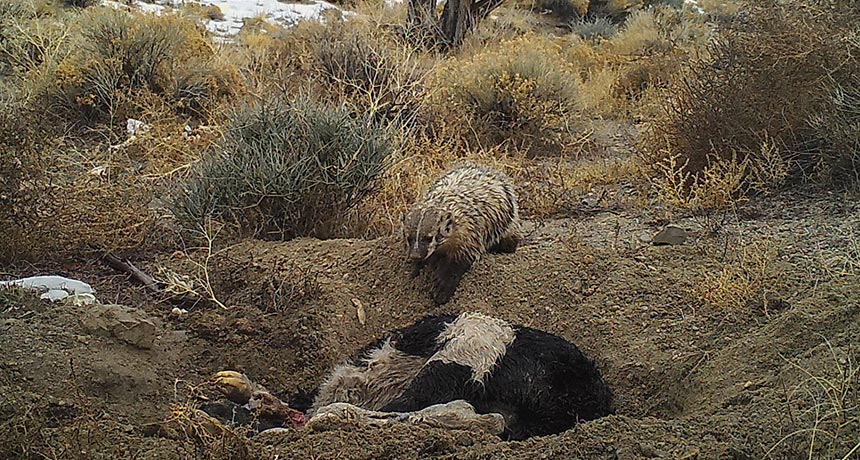
The American badger is known to cache carrion in the ground. The animals squirrel away future meals underground, which acts something like a natural refrigerator, keeping their food cool and hidden from anything that might want to steal it. Researchers, though, had never spotted badgers burying anything bigger than a jackrabbit — until 2016, when a young, dead cow went missing in a study of scavengers in northwestern Utah.

That January, University of Utah researchers had set out seven calves (all of which had died from natural causes) weighing 18 to 27 kilograms in the Great Basin Desert, each monitored by a camera trap. After a week, one of the carcasses went missing, even though it, like the others, had been staked in place so nothing could drag it off. But perhaps a coyote or mountain lion managed the feat, the researchers thought.

Then they checked the camera. What they found surprised them.

The images showed a badger happening upon the calf on January 16. The next evening, the badger returned and spent four hours digging below and around the bovine, breaking for only five minutes to snack on its find. It came back and continued digging the next afternoon and the following morning, by which time the calf had fallen into the crater the badger had dug. But that wasn’t the end. The badger then spent a couple more days backfilling the hole, covering its find and leaving itself a small entrance.
The badger stayed with his meal for the next couple of weeks, venturing out briefly from time to time. (It’s impossible to know where the badger went, but getting a drink is one possibility, says the study’s lead author Ethan Frehner.) By late February, the badger was still visiting its find from time to time. But herds of (living) cows kept coming through the site, and though the badger checked on its cache several times, it never re-entered the burrow after March 6.

It turns out that this badger was not alone in taking advantage of the research project for a huge, free meal. Simultaneously at one of the other carcass sites about three kilometers away, another badger attempted to bury a calf that had been staked out there. It only got the job partway done, though, as the anchoring stake prevented the badger from finishing a full burial. Instead, the badger dug itself a hole and spent several weeks there, periodically feeding on its find.
This is the first time scientists have documented American badgers burying a carcass so much bigger than themselves (the calves were three to four times the weight of the badgers), the team reports March 31 in Western North American Naturalist.

“All scavengers play an important ecological role — helping to recycle nutrients and to remove carrion and disease vectors from the ecosystem,” Frehner says. “The fact that American badgers could bury carcasses of this size indicates that they could potentially bury the majority of the carrion that they would come into contact with in the wild. If they exhibit this behavior across their range, the American badger could be accounting for a significant amount of the scavenging and decomposition process which occurs throughout a large area in western North America.”

And that burial may have a benefit for ranchers, the researchers note: If badgers bury calves that have died of disease, that may reduce the likelihood that a disease will spread. It’s too soon to say whether that happens, but study co-author Evan Buechley notes, “that merits further study.”
50 years ago, diabetic mice offered hope for understanding human disease

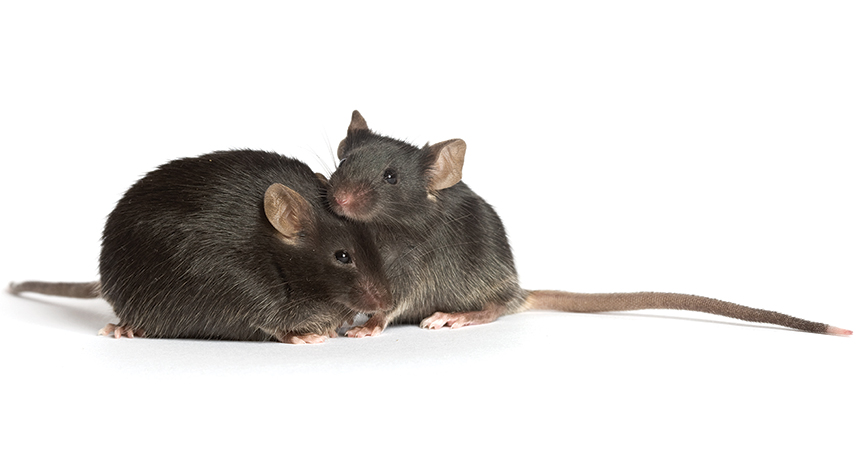
[Millions of diabetics] could be indebted to a strain of diabetic mice being bred in Bar Harbor, Maine. In diabetes research, “this mouse is the best working model to date,” one of its discoverers, Dr. Katharine P. Hummel, says.… A satisfactory animal subject had eluded diabetes researchers, until the mouse was found. — Science News, August 12, 1967

Update
Hummel’s diabetic mice are still used in research to mimic type 2 diabetes in humans, which is linked to obesity. In the mid-1990s, researchers found that the diabetic mice carry a mutation in the leptin receptor gene, which prevents the hormone leptin from signaling fullness and triggering other metabolic processes. In people, however, the disease is more complicated. More than 40 genetic variants are associated with susceptibility to type 2 diabetes. Unlike the mouse mutation, none of those variants guarantee a person will develop the disease.

Neandertal kids were a lot like kids today — at least in how they grew

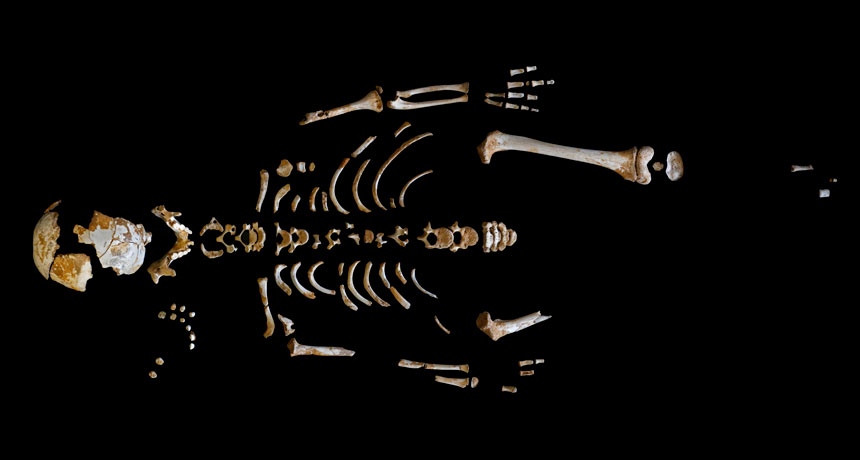
A Neandertal child whose partial skeleton dates to around 49,000 years ago grew at the same pace as children do today, with a couple of exceptions. Growth of the child’s spine and brain lagged, a new study finds.

It’s unclear, though, whether developmental slowing in those parts of the body applied only to Neandertals or to Stone Age Homo sapiens as well. If so, environmental conditions at the time — which are currently hard to specify — may have reduced the pace of physical development similarly in both Homo species.
This ancient youngster died at 7.7 years of age, say paleoanthropologist Antonio Rosas of the National Museum of Natural Sciences in Madrid and colleagues. The scientists estimated the child’s age by counting microscopic enamel layers that accumulated daily as a molar tooth formed.

Previous excavations uncovered the child’s remains, as well as fossils of 12 other Neandertals, at a cave site in northwestern Spain called El Sidrόn.

Much — but not all —of the Neandertal child’s skeleton had matured to a point expected for present-day youngsters of the same age, the scientists report in the Sept. 22 Science. But bones at the top and in the middle of the spine had not fully fused, corresponding to a stage of development typical of 4- to 6- year-olds today. Also, the ancient child’s brain was still growing at an age when living humans’ brains have nearly or fully reached adult size. Signs of bone tissue being reshaped on the inner surface of the child’s braincase pointed to ongoing brain expansion. Rosas’ team calculated that the youngster’s brain volume was about 87.5 percent of that expected, on average, for Neandertal adults.

Neandertals’ slightly larger brains relative to people today may have required more energy, and thus more time, to grow, the researchers suggest. And they suspect that the growth of Neandertals’ bigger torsos, and perhaps spinal cords, slowed the extinct species’ backbone development in late childhood.

Rosas’ new study “reinforces what should have been apparent for some time — that Neandertal growth rates and patterns, except for those related to well-known differences in [skeletal shape], rarely differ from modern human variations,” says paleoanthropologist Erik Trinkaus of Washington University in St. Louis.

But researchers need to compare the El Sidrόn child to fossils of H. sapiens youngsters from the same time or later in the Stone Age, Trinkaus adds. Relative to kids today, ancient human youth may display slower growth rates comparable to those of the Neandertal child, he suspects.

In the deep ocean, these bacteria play a key role in trapping carbon

A mysterious group of microbes may be controlling the fate of carbon in the dark depths of the world’s oceans.

Nitrospinae bacteria, which use the nitrogen compound nitrite to “fix” inorganic carbon dioxide into sugars and other compounds for food and reproduction, are responsible for 15 to 45 percent of such carbon fixation in the western North Atlantic Ocean, researchers report in the Nov. 24 Science. If these microbes are present in similar abundances around the world — and some data suggest that the bacteria are — those rates may be global, the team adds.
The total amount of carbon that Nitrospinae fix is small when compared with carbon fixation on land by organisms such as plants or in the sunlit part of the ocean, says Maria Pachiadaki, a microbial ecologist at Bigelow Laboratory for Ocean Sciences in East Boothbay, Maine, who is lead author on the new study. “But it seems to be of major importance to the productivity and health of the 90 percent of the ocean that is too deep and too dark for photosynthesis.” These bacteria likely form the base of the food web in much of this enigmatic realm, she says.

Oceans cover more than two-thirds of Earth’s surface, and most of those waters are in the dark. In the shallow, sunlit part of the ocean, microscopic organisms called phytoplankton fix carbon dioxide through photosynthesis. But in the deep ocean where sunlight doesn’t penetrate, microbes that use chemical energy derived from compounds such as ammonium or hydrogen sulfide are the engines of that part of the carbon cycle.

Little has been known about which microbes are primarily responsible for this dark ocean carbon fixation. The likeliest candidates were a group of ammonium-oxidizing archaea (single-celled organisms similar to bacteria) known as Thaumarchaeota because they are the most abundant microbes in the dark ocean.

But there was no direct proof that these archaea are the main fixers in those waters, says Pachiadaki. In fact, previous studies of carbon fixation in these depths suggested that ammonium-oxidizers weren’t performing the task quickly enough to match observations, she says. “The energy gained from ammonium oxidation is not enough to explain the amount of the carbon fixed in the dark ocean.”
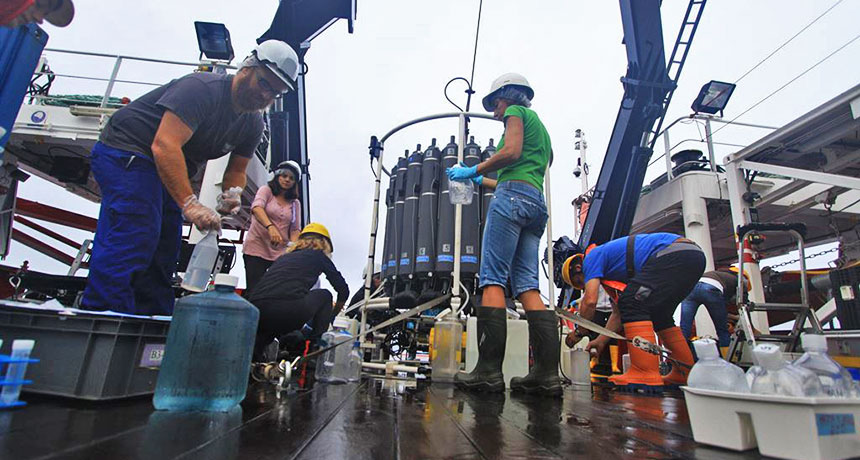
She and colleagues suspected that a different group of microbes might be bearing the brunt of the task. Nitrospinae bacteria that use the chemical compound nitrite were known to be abundant in at least some parts of the dark ocean, but the microbes weren’t well studied. So Pachiadaki’s team analyzed 3,463 genomes, or genetic blueprints, of single-celled organisms found in 39 seawater samples collected in the western North Atlantic Ocean, at depths ranging from “twilight” regions below about 200 meters to the ocean’s deepest zone below 9,000 meters. The team identified Nitrospinae as the most abundant bacteria, particularly in the twilight zone. Although still less abundant than the ammonium-oxidizing Thaumarchaeota, the nitrite-oxidizers are much more efficient at fixing carbon, requiring only a tiny amount of available nitrite.

And although scientists knew that these bacteria use nitrite to produce energy, the new study showed that the compound is the primary source of energy for the microbes. Marine microbiologist Frank Stewart of Georgia Tech in Atlanta says the study “exemplifies how advances in genomic methods can generate hypotheses about metabolism and ecology.” These findings suggest that scientists need to rethink how energy and materials cycle in the dark ocean, he says. “While this ocean realm remains underexplored, studies like this are models for how to close our knowledge gap.”

Babies’ kicks in the womb are good for their bones

One of the strangest things about growing a human being inside your body is the alien sensation of his movements. It’s wild to realize that these internal jabs and pushes are the work of someone else’s nervous system, skeleton and muscles. Someone with his own distinct, mysterious agenda that often includes taekwondoing your uterus as you try to sleep.

Around the 10-week mark, babies start to bend their heads and necks, followed by full-body wiggles, limb movement and breathing around 15 weeks. These earliest movements are usually undetectable by pregnant women, particularly first-timers who may not recognize the flutters until 16 to 25 weeks of pregnancy. These movements can be exciting and bizarre, not to mention uncomfortable. But for the developing baby, these kicks are really important, helping to sculpt muscles, bones and joints.
While pregnant women can certainly sense a jab, scientists have largely been left in the dark about how normal fetuses move. “It’s extremely difficult to investigate fetal movements in detail in humans,” says Stefaan Verbruggen, a bioengineer formerly at Imperial College London who recently moved to Columbia University in New York.

Now, using relatively new MRI measurements of entire fetuses wiggling in utero, researchers have tracked these kicks across women’s pregnancies. The results, published January 24 in the Journal of the Royal Society Interface, offer the clearest look yet at fetal kicking and provide hints about why these moves are so important.
Along with bioengineer Niamh Nowlan, of ICL, and colleagues, Verbruggen analyzed videos of fetal kicks caught on MRI scans. These scans, from multiple pregnant women, included clear leg kicks at 20, 25, 30 and 35 weeks gestation. Other MRI scans provided anatomical details about bones, joints and leg sizes. With sophisticated math and computational models, the researchers could estimate the strengths of the kicks, as well as the mechanical effects, such as stresses and strains, that those kicks put on fetal bones and joints.
Kicks ramped up and became more forceful from 20 to 30 weeks, the researchers found. During this time, kicks shifted the wall of the uterus by about 11 millimeters on average, the team found. But by 35 weeks, kick force had declined, and the uterus moved less with each kick, only about 4 millimeters on average. (By this stage, things are getting pretty tight and tissues might be stretched taut, so this decrease makes sense.) Yet even with this apparent drop in force, the stresses experienced by the fetus during kicks kept increasing, even until 35 weeks. Increasing pressure on the leg bones and joints probably help the fetus grow, the researchers write.

Other work has found that the mechanical effects of movement can stimulate bone growth, which is why weight-bearing exercises, such as brisk walking and step aerobics, are often recommended for people with osteoporosis. In animal studies, stationary chick and mouse fetuses have abnormal bones and joints, suggesting that movement is crucial to proper development.

The results highlight the importance of the right kinds of movements for fetuses’ growth. Babies born prematurely can sometimes have joint disorders. It’s possible that bone growth and joints are affected when babies finish developing in an environment dominated by gravity, instead of the springy, tight confines of a uterus. Even in utero position might have an effect. Head-up breech babies, for instance, have a higher risk of a certain hip disorder, a link that hints at a relationship between an altered kicking ground and development. In fact, the researchers are now looking at the relationship between fetal movements and skeletal stress and strain in these select groups.

Mechanical forces in utero might have long-lasting repercussions. Abnormal joint shapes are thought to increase the risk of osteoarthritis, says Verbruggen, “which means that how you move in the womb before you’re even born can affect your health much later in life.”

There’s a lot more work to do before scientists fully understand the effects of fetal movements, especially those in less than ideal circumstances. But by putting hard numbers to squirmy wiggles, this new study is kicking things off right.

SpaceX just launched its biggest rocket for the first time

It’s another record for SpaceX. At 3:50 p.m. Eastern on February 6, the private spaceflight company launched the Falcon Heavy rocket for the first time.

The Heavy — essentially three SpaceX Falcon 9 rocket boosters strapped together — is the most powerful rocket launched since the Saturn V, which shot astronauts to the moon during the Apollo program. SpaceX hopes to use the Heavy to send humans into space. The company is developing another rocket, dubbed the BFR, to eventually send people to Mars.
Another first for this launch: the synchronized return of two of the boosters. (The third, from the center core, didn’t descend properly, and instead of landing on a droneship, it hit the ocean at 300 mph.) Part of SpaceX’s program is to reuse rockets, which brings down the cost of space launches. The company has successfully landed the cores of its Falcon 9 rockets 21 times and reflew a rocket six times. The company landed a previously used rocket for the first time in March.

But the cargo for today’s launch is aimed at another planet. The rocket carried SpaceX CEO Elon Musk’s red Tesla Roadster with “Space Oddity” by David Bowie playing on the stereo. It is now heading toward Mars.

“I love the thought of a car drifting apparently endlessly through space and perhaps being discovered by an alien race millions of years in the future,” Musk tweeted in December.
Editor’s note: This story was updated on February 7 to update the status of the booster landings, and again on February 9 to correct the rocket that SpaceX hopes to use to send people to Mars. The company intends to use its BFR rocket, not the Falcon Heavy.

U.S. cases of a deadly fungus nearly doubled in recent years

A fungus that recently evolved to infect humans is spreading rapidly in health care facilities in the United States and becoming harder to treat, a study from the U.S. Centers for Disease Control and Prevention finds.

Candida auris infections were first detected in the United States in 2013. Each year since, the number of people infected — though still small — has increased dramatically. In 2016, the fungus sickened 53 people. In 2021, the deadly fungus infected 1,471 people, nearly twice the 756 cases from the year before, researchers report March 21 in Annals of Internal Medicine. What’s more, the team found, the fungus is becoming resistant to antifungal drugs.
The rise of cases and antifungal resistance is “concerning,” says microbiologist and immunologist Arturo Casadevall, who studies fungal infections. “You worry because [the study] is telling you what could be a harbinger of things to come.” Casadevall, of Johns Hopkins Bloomberg School of Public Health, was not involved in the CDC study.

In tests of people at high risk of infection, researchers also found 4,041 individuals who carried the fungus in 2021 but were not sick at the time. A small percentage of carriers may later get sick from the fungus, says Meghan Lyman, a medical epidemiologist in the CDC’s Mycotic Diseases Branch in Atlanta, possibly developing bloodstream infections that carry a high risk of death.

Starting in 2012, C. auris infections popped up suddenly in hospitals on three continents, probably evolving to grow at human body temperature as a result of climate change (SN: 7/26/19). The fungus, typically detected through blood or urine tests, usually infects people in health care settings such as hospitals, rehabilitation facilities and long-term care homes. Because people who get infected are often already sick, it can be hard to tell whether symptoms such as fevers are from the existing illness or an infection.
Those most at risk of infection include people who are ill; those who have catheters, breathing or feeding tubes or other invasive medical devices; and those who have repeated or long stays in health care facilities. Healthy people are usually not infected but can spread the fungus to others by contact with contaminated surfaces, including gowns and gloves worn by health care workers, Lyman says.

Growing drug resistance
Infections can be treated with antifungal drugs. But Lyman and colleagues found that the fungus is becoming resistant to an important class of such medications called echinocandins. These drugs are used as both the first line and the last line of defense against C. auris, says Casadevall.

Before 2020, six people were known to have echinocandin-resistant infections and four other people had infections resistant to all three class of existing antifungal drugs. That resistance developed during treatment using echinocandin. None of those cases passed the resistant strain to others. But in 2021, 19 people were diagnosed with echinocandin-resistant infections and seven with infections resistant to multiple drugs.

More concerning, one outbreak in Washington, D.C., and another in Texas suggested people could transmit the drug-resistant infections to each other. “Patients who had never been on echinocandins were getting these resistant strains,” Lyman says.

Some health care facilities have been able to identify cases early and prevent outbreaks. “We’re obviously very concerned,” Lyman says, “but we are encouraged by these facilities that have had success at containing it.” Using those facilities’ infection control measures may help limit cases of C. auris, she says, as well as reducing spread other fungal, bacterial and viral pathogens.

Marijuana may change the decision-making part of teen brains

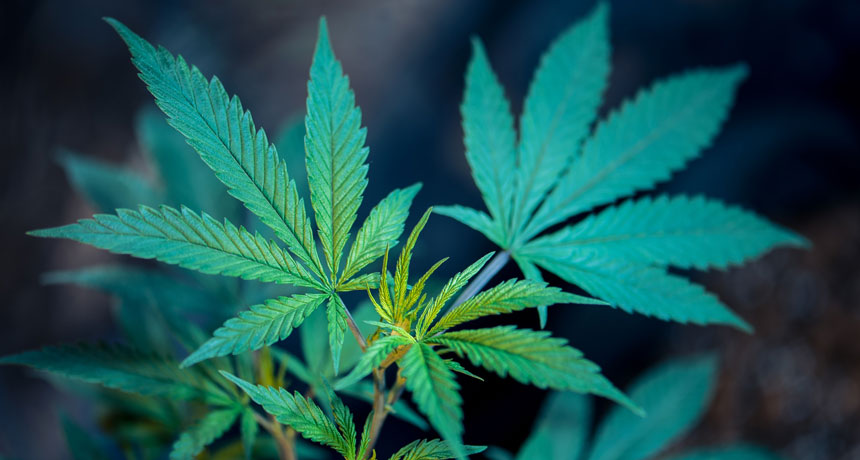
SAN DIEGO — Marijuana use during teenage years may change the brain in key decision-making areas, a study in rats suggests.

“Adolescence is a dangerous time to be insulting the brain, particularly with drugs of abuse,” study coauthor Eliza Jacobs-Brichford said November 7 at the annual meeting of the Society for Neuroscience.

Jacobs-Brichford and colleagues gave adolescent male and female rats a marijuana-like compound. Afterward, the researchers found changes in parts of the brain involved in making decisions.
Normally, many of the nerve cells there are surrounded by rigid structures called perineuronal nets, sturdy webs that help stabilize connections between nerve cells. But in male rats that had been exposed to the marijuana-like compound in adolescence, fewer of these nerve cells, which help put the brakes on other cells’ activity, were covered by nets. Drug exposure didn’t seem to affect the nets in female rats.

“Males look more susceptible to these drugs,” said Jacobs-Brichford, a behavioral neuroscientist at the University of Illinois at Chicago.

A Bronze Age tomb in Israel reveals the earliest known use of vanilla

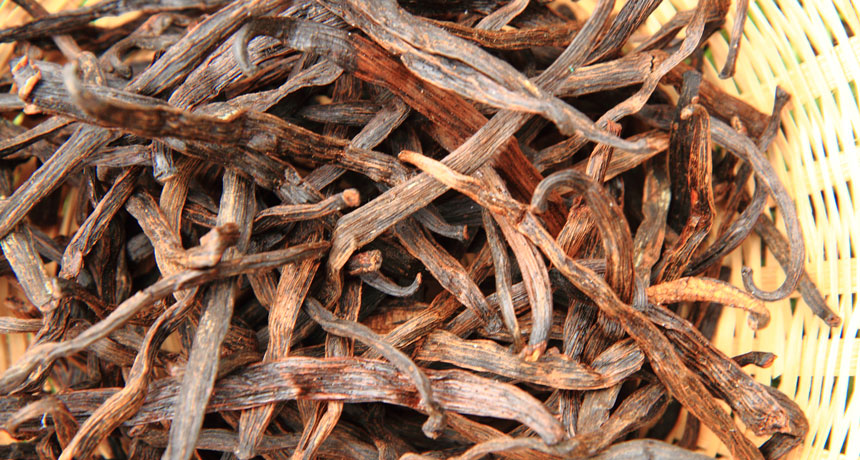
DENVER — Three jugs placed as offerings in a roughly 3,600-year-old tomb in Israel have revealed a sweet surprise — evidence of the oldest known use of vanilla.

Until now, vanilla was thought to have originated in Mexico, perhaps 1,000 years ago or more. But jugs from the Bronze Age site of Megiddo contain remnants of two major chemical compounds in natural vanilla extract, vanillin and 4-hydroxybenzaldehyde, said archaeologist Vanessa Linares of Tel Aviv University in Israel. Chemical analyses also uncovered residues of plant oils, including a component of olive oil, in the three jugs.
“Bronze Age people at Megiddo may have used vanillin-infused oils as additives for foods and medicines, for ritual purposes or possibly even in the embalming of the dead,” Linares said. She described these findings at the annual meeting of American Schools of Oriental Research on November 16.

Vanillin comes from beans in vanilla orchids. About 110 species of these flowers are found in tropical areas around the world. The chemical profile of the vanillin in the Megiddo jugs best matches present-day orchid species in East Africa, India and Indonesia, Linares said.

Extensive Bronze Age trade routes likely brought vanillin to the Middle East from India and perhaps also from East Africa, she suggested.

“It’s really not surprising that vanillin reached Bronze Age Megiddo given all the trade that occurred between the [Middle East] and South Asia,” says archaeologist Eric Cline of George Washington University in Washington, D.C. But no evidence exists of trade at that time between Middle Eastern societies and East Africa, says Cline, who did not participate in the Megiddo research.
Vanilla orchids or their beans probably reached Megiddo via trade routes that first passed through Mesopotamian society in southwest Asia. However Bronze Age Middle Easterners ended up with those products, discoveries at Megiddo challenge the idea that vanilla use originated only in Mexico and then spread elsewhere, Cline says.

The vanillin-containing jugs at Megiddo came from a tomb of three “highly elite” individuals who were interred with six other people of lesser social rank, said archaeologist Melissa Cradic of the University of California, Berkeley, a member of the current Megiddo research team. Excavations uncovered the tomb in 2016, Cradic also reported at the ASOR meeting.

Primary burials in the tomb consist of an adult female, an adult male and an 8- to 12-year-old boy. Elaborate types of bronze, gold and silver jewelry were found on and around the three skeletons. Exact replicas of several pieces of jewelry appeared on each individual.

The tomb lies in an exclusive part of Megiddo near a palace and a monumental city gate.

“We can’t definitively say that these three people were royals,” Cradic said. “But they were elites in Megiddo and may have belonged to the same family.”

Greenland crater renewed the debate over an ancient climate mystery

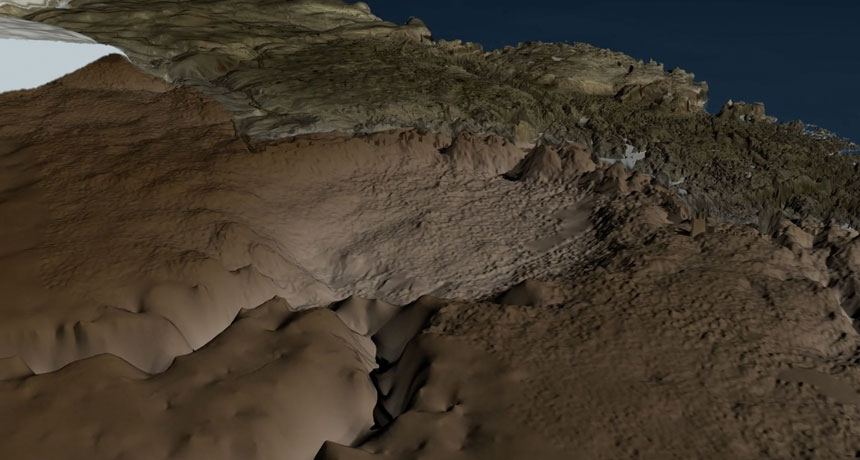
For three years, a team of scientists kept a big secret: They had discovered a giant crater-shaped depression buried beneath about a kilometer of ice in northwestern Greenland. In November, the researchers revealed their find to the world.

They hadn’t set out to find a crater. But in 2015, glaciologists studying ice-penetrating radar images of Greenland’s ice sheet, part of an annual survey by NASA’s Operation IceBridge mission, noticed an oddly rounded shape right at the northern edge of Hiawatha Glacier. If the 31-kilometer-wide depression is confirmed to be the remnant of a meteorite impact — and the team has produced a wealth of evidence suggesting that it is (SN: 12/8/18, p. 6) — the discovery is exciting in and of itself. It’s rare to find a new crater, let alone one on land that has retained its perfect bowl shape.

“This is just a straight-up exciting discovery that starts with this wonderful element of serendipity,” says team member Joseph MacGregor, a glaciologist with Operation IceBridge.

But the crater — let’s call it that, for the sake of discussion — may have also reignited a debate over a controversial hypothesis about a mysterious cold snap known as the Younger Dryas. This cold period began abruptly about 12,800 years ago and ended just as abruptly about 11,700 years ago. For more than a decade, a small group of researchers, unconnected with the group behind the new discovery, has suggested that a cosmic impact triggered the cooling (SN: 7/7/18, p. 18).
Proponents of the Younger Dryas impact hypothesis say that the remnants of a comet exploded in Earth’s atmosphere and that the airbursts sparked wildfires across North America. Soot and other particles from the fires blocked out the sun, causing the cold snap, which has been blamed for everything from the extinction of the mammoths to the disappearance of a group of people known as the Clovis.

Most scientists reject that an impact was responsible, refuting the idea that there were vast wildfires at the time or that the Clovis people even disappeared. Another big objection: the lack of a smoking gun, a crater dating to the onset of the Younger Dryas.
The “mammoth in the room,” therefore, is whether the Greenland crater might be that smoking gun. But a large, recent impact would be extremely unlikely, given the rarity of such impacts on Earth, particularly on land, says planetary scientist Clark Chapman of the Southwest Research Institute in Boulder, Colo., who was not involved with the discovery.

Indeed, one sticking point is that there are no direct dates for the newly discovered crater, because it is still buried beneath all that ice. The radar data offer only tantalizing clues to the age, suggesting that the crater is between 2.6 million and 11,700 years old.

That’s a huge time range, but the proponents of the hypothesis are convinced that this crater is what they’ve been waiting for. “I think it’s transformational in terms of convincing a lot of skeptics,” says James Kennett, a geologist at the University of California, Santa Barbara.
There’s another big sticking point when it comes to linking this crater to the impact hypothesis: Instead of a fragment of a comet, the discoverers think the Hiawatha impactor was an iron meteorite. That determination is based on measurements of platinum and other elements in glacial outwash, sediments carried by meltwater from beneath the ice. An iron meteorite impact would probably not produce the kinds of explosive airbursts that could ignite continent-scale wildfires, says Michail Petaev, a geochemist at Harvard University.
Petaev and colleagues previously found a hint that an iron meteorite might have smacked into Greenland about 13,000 years ago. In 2013, his group examined Greenland ice cores and found a strange platinum anomaly dating to right before the Younger Dryas. The ratio of platinum to iridium measured in the ice cores points to an iron meteorite, the team reported.

Despite the platinum data, the impact hypothesis proponents hold firmly to the idea that the Hiawatha impactor was a comet. Because little is known about comet compositions, Kennett says, a comet might well have been the source for the platinum found in the glacial outwash and the ice cores. But Petaev maintains that the observed platinum ratios just wouldn’t occur in a comet, which is made of the primitive stuff of the universe. Instead, he says, those ratios require the cycles of melting and recrystallizing that form iron meteorites, the ancient cores of asteroids or planets.
Glaciologist Kurt Kjær of the University of Copenhagen, who led the team that identified the crater, and his colleagues don’t want to weigh in on the Younger Dryas debate. “We can’t prove it,” Kjær says. “But we can certainly not disprove it.”

Instead, the crater’s discoverers are planning to collect more sediments from the glacial outwash, and perhaps even drill directly into the crater to retrieve sediment cores that can be dated. And there may be other craters lurking beneath Greenland’s ice, or even Antarctica’s — perhaps more easily identifiable once you know what to look for, says MacGregor.

Asked whether the team has actually identified any other round shapes of interest, he pauses. Then MacGregor says, cryptically, “stay tuned.”